- Visitor information
- About us
- Exhibitions
- Temporary Exhibitions
- Permanent Exhibitions
- Past Exhibitions
- 2025 - Leopold Bloom Art Award 2025
- 2025 - Real and Artificial Identities
- 2024/2025 - Life with Honey
- 2024/2025 - WANDERINGS - Lili Ország in Kiscell
- 2024 - Light & City
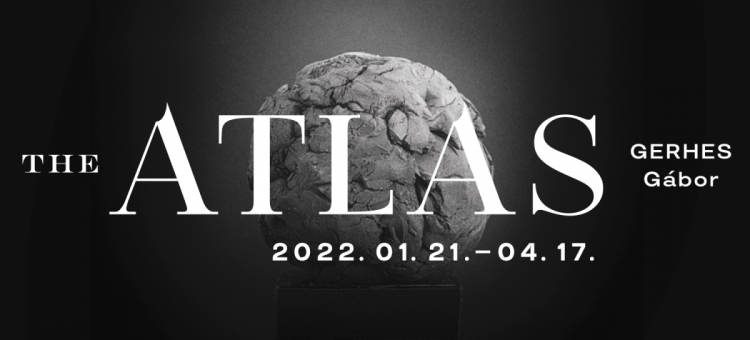
- 2022 - Gábor Gerhes: THE ATLAS
- 2019/2020 - Shine! - Fashion and Glamour
- 2019 - 1971 – Parallel Nonsynchronism
- 2018 – Your Turn!
- 2018 – Still Life
- 2017 – LAMP!
- 2017 – Tamás Zankó
- 2017 – Separate Ways
- 2017 – Giovanni Hajnal
- 2017 – Image Schema
- 2017 – Miklós Szüts
- 2016 – "Notes: Wartime"
- 2016 – #moszkvater
- 2015 – Corpse in the Basket-Trunk
- 2015 – PAPERwork
- 2015 – Doll Exhibition
- 2014 – Budapest Opera House
- 2013 – Wrap Art
- 2012 – Street Fashion Museum
- 2012 – Riding the Waves
- 2012 – Buda–Pest Horizon
- 2011 – The Modern Flat, 1960
- 2010 – FreeCikli
- 2008 – Drawing Lecture on the Roof
- 2008 – Fashion and Tradition
- 2004 – Mariazell and Hungary
- Virtual museum
- What's happening?
- BUY TICKET
COMING SOON... 21st Design without Borders
18. 10. - 16. 11. | 2025 focuses on Dutch and Polish design, but also highlights the history and impact of bentwood furniture, unique textile works created at the intersection of design and contemporary music, and an international contemporary design and jewellery selection also awaits; this year even features a separate section for university and alumni works.
Learn more!COMING SOON... OCTOBER from silence to resistance
15. 10. - 25. 01. | The constellation of works examines the politicization of the private sphere—how personal experiences and observations, born of cataclysm, yield distinct insights into the impact of violence and the persistence of unhealed collective trauma.
Learn more!A Puzzle of Seventy-Seven + 7 Pieces
15. 05. - 31. 01. | As visitors move through the museum’s winding rooms, they encounter unexpected juxtapositions of historical and contemporary artworks. The exhibition establishes thematic relations and finely woven networks between these pieces—an organizing principle that the title itself reflects: the works eventually fit together like a puzzle.
Learn more!From monastery to storehouse and museum
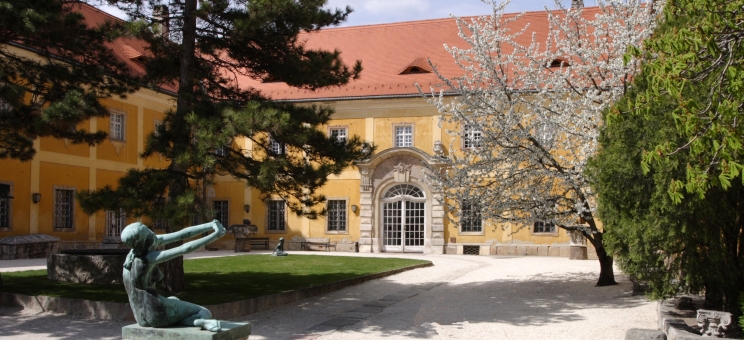
The ensemble of the former baroque monastery and church housing the Kiscell Museum is on the hillside above Margaret Hospital in Óbuda. The Trinitarian order having been suppressed in 1784, the ensemble was also used as military barracks and military hospital before it was purchased by the Vienna-based art collector and furniture manufacturer Max Schmidt in 1910, who turned it into a luxurious mansion.

Learn more!
Kiscell Museum is part of Budapest History Museum.